Film Studies
Credit Sequences in the Crime Genre
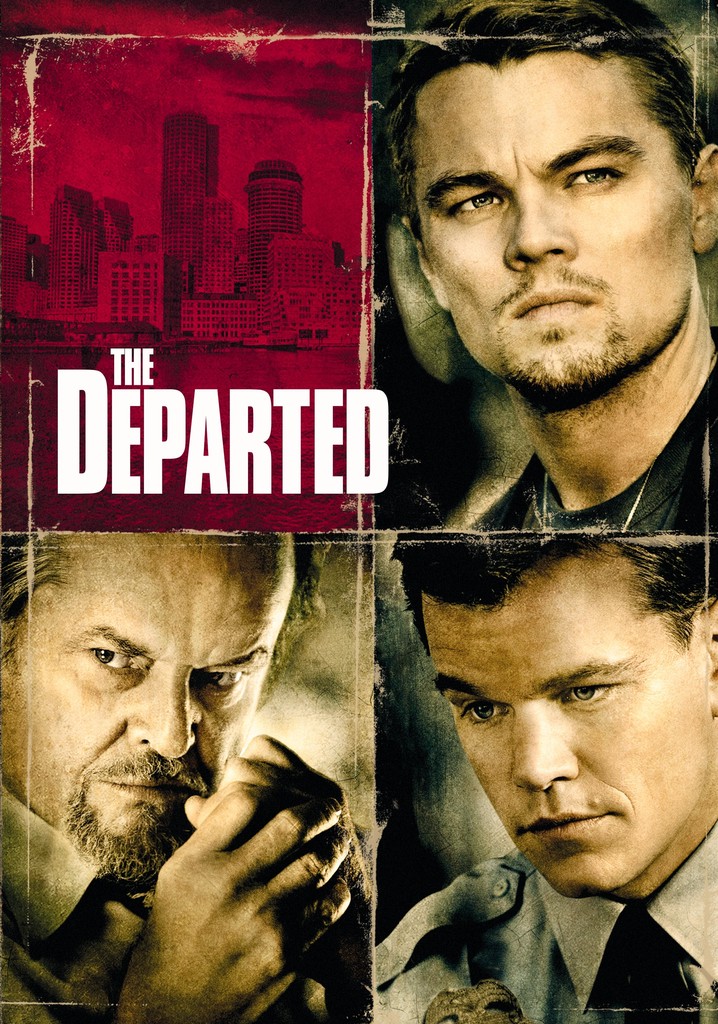
The credit sequence in The Departed plays over archival footage and scenes that reference crime, corruption, and violence. Paired with aggressive music, the sequence immediately establishes themes of power, control, and infiltration. The rough, documentary like visuals suggest realism and instability, signaling that the film will explore crime from multiple perspectives rather than a clear moral standpoint.
Drive uses a minimalist credit sequence that contrasts sharply with typical crime films. Neon colors, slow pacing, and stylized typography create a calm and detached mood. This choice suggests emotional distance and isolation rather than chaos. Although understated, the credits reflect the film's focus on internal conflict and restrained violence, setting up crime as something controlled and personal.
The credit sequence in Prisoners is extremely subtle. It uses long, quiet shots and somber music to create unease without showing crime directly. The lack of visual intensity mirrors the film's slow burn narrative and emotional weight. This approach establishes crime as something devastating and lingering, emphasizing consequences over action.
Takeaways
These credit sequences show how crime films can establish tone without relying on spectacle. Through music, pacing, and visual style, each sequence frames crime differently; whether as chaotic, restrained, or emotionally heavy. This highlights how credit sequences function as an extension of storytelling within the crime genre.
Scorsese, M. (Director). (2006). The Departed [Film]. Warner Bros. Pictures.
Refn, N. W. (Director). (2011). Drive [Film]. FilmDistrict.
Villeneuve, D. (Director). (2013). Prisoners [Film]. Warner Bros. Pictures.
JustWatch. (n.d.). The Departed. JustWatch. Retrieved January 31, 2026